Anthropic Just Ate My Startup
I built an iOS app to bridge Apple Health data to AI. Two weeks later, Anthropic shipped the same feature natively. Here's what I learned about building in the AI era.
这篇暂时只有英文版。
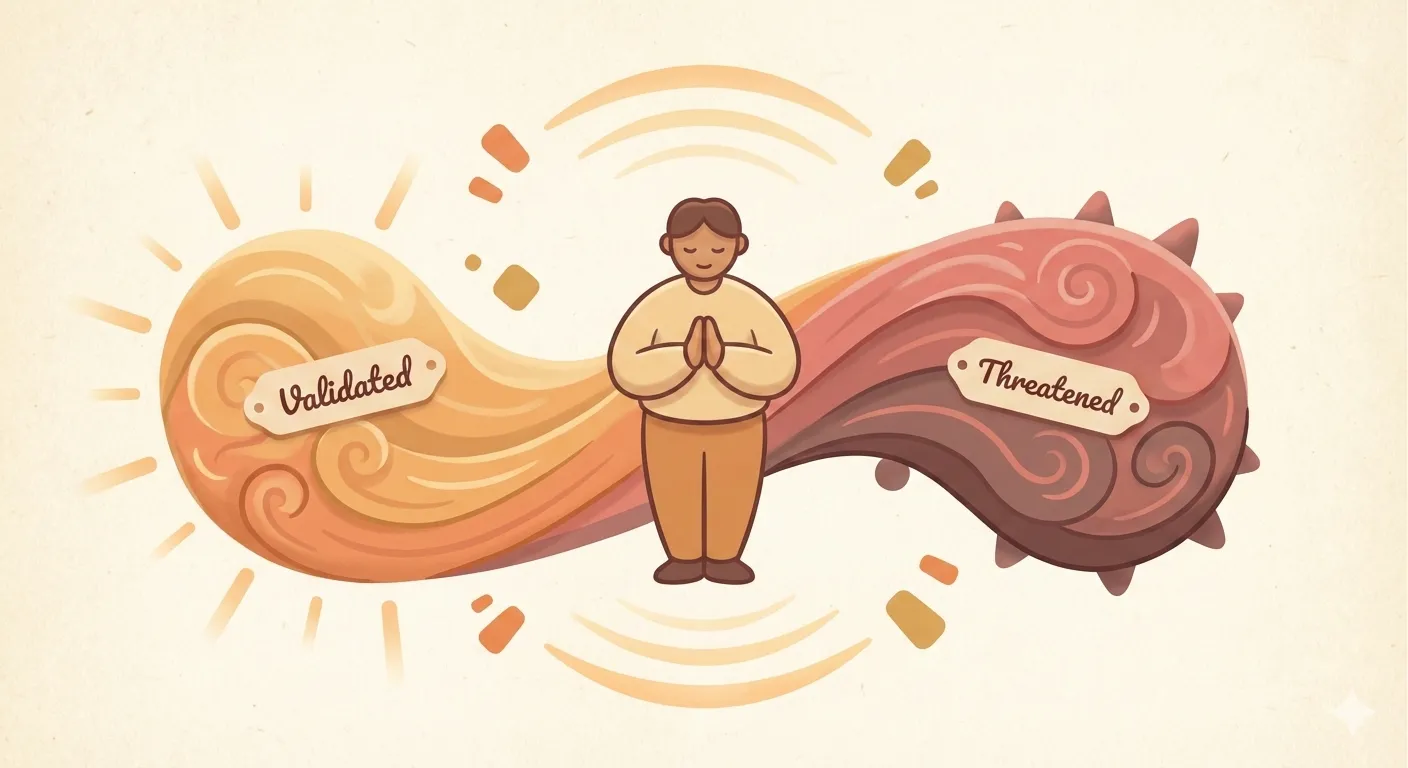
Last week, I felt validated and threatened in the same moment.
I’d spent December and January writing about context engineering. How to unlock data for AI. How to own your context locally. Why the intelligence layer matters less than the context layer. I built an iOS app. I migrated my entire workflow. I wrote about both.
Then Anthropic shipped everything I’d been building. In the same week.
This isn’t a complaint. It’s a reckoning. Being right about the future doesn’t protect you from it.
What I Built
In December, I shipped Run Card Generator, a free iOS app that exports your workouts from Apple Health as .fit files for AI analysis. Apple Health data is locked on your phone. You can’t connect Claude or ChatGPT to it directly. So I built a bridge. The app unlocks your health data and packages it for AI consumption. No AI inside. Just context liberation.

The thesis: don’t wrap AI, export context. The intelligence layer is commoditized. The context layer is the moat.
In January, I lost six months of Claude context to an account reset. Project memories, custom Skills, accumulated preferences. All gone. I rebuilt my workflow on Claude Code, where context lives locally in CLAUDE.md files I own and version control.
Same thesis, different angle: context is the asset. The interface is just the delivery mechanism.
I believed this deeply.
Then Anthropic shipped it.
What Anthropic Shipped
On January 12th, two days after my Claude Code post, Anthropic announced two products:
Claude HealthKit Integration
Native integration with Apple Health and Android Health Connect, rolling out in beta to Pro and Max subscribers. Claude can now summarize your medical history, explain test results, and detect fitness patterns.
My context bridge app extracted health data for AI analysis. Anthropic just built that bridge into the platform.
Claude Cowork
A new desktop tool described as “Claude Code for the rest of your work.” Non-technical users can now designate a folder and let Claude read, modify, and create files through a simple chat interface. No command line. No technical expertise.
My argument for Claude Code was about context ownership. Local files, version control, transparent memory. Anthropic just democratized that to everyone.
The timeline:
- December 14: I publish “context bridges are the future”
- January 10: I publish “own your context locally”
- January 12: Anthropic ships both concepts natively
The Fortune headline didn’t mince words: “Anthropic launches Cowork, a file-managing AI agent that could threaten dozens of startups.”
I wasn’t just validated. I was one of those startups.
The Speed Asymmetry
Here’s what shook me most: Cowork was built in a week and a half.
Not months. Not a quarter. Ten days.
According to Boris Cherny, who leads Claude Code at Anthropic, Cowork was largely built using Claude Code itself. The same agentic coding tool that I use for my own projects. They used it to ship a competitor to my workflow in under two weeks.
This is the new math:
- Traditional software cycle: months to years
- Startup speed: weeks to months
- Platform with AI tooling: days to weeks
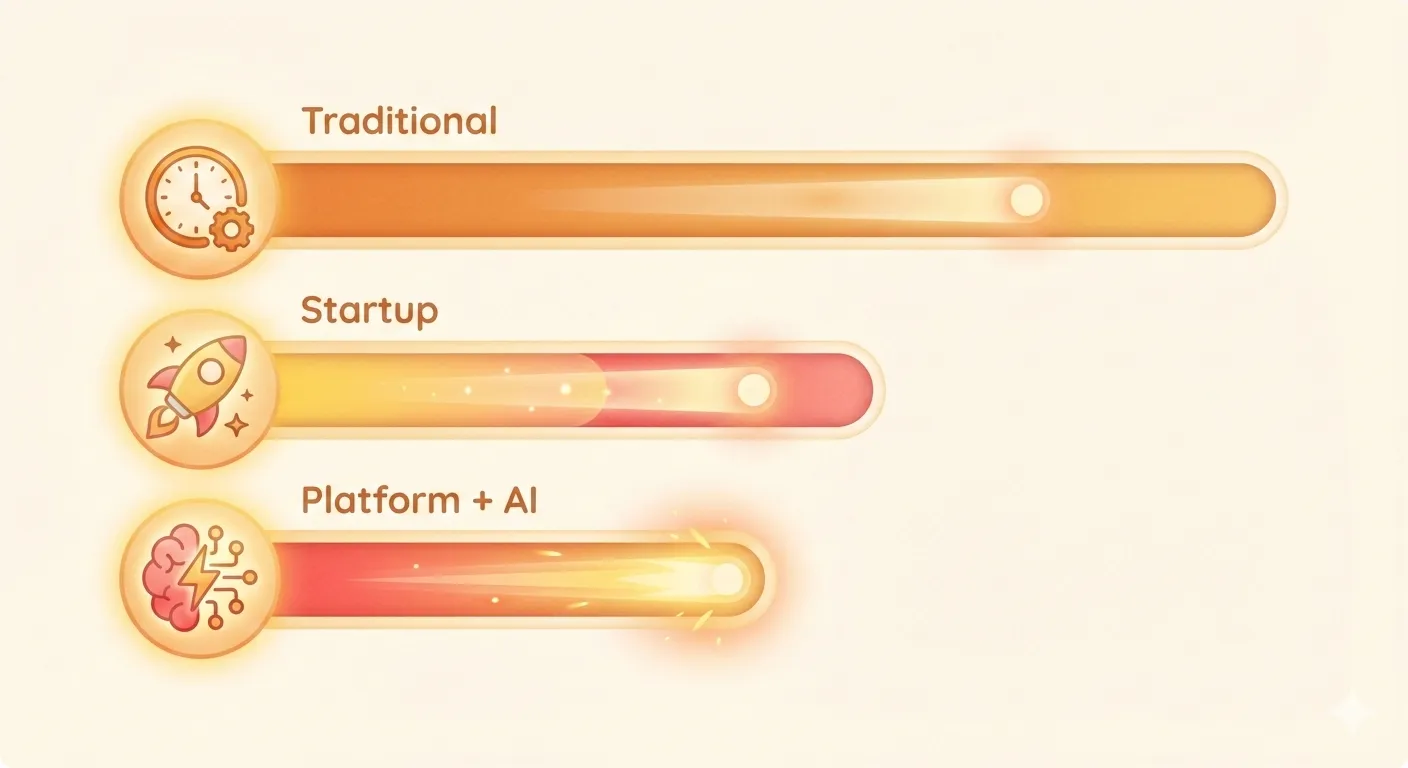
The gap-to-absorption timeline has collapsed. When platforms can vibe-code features as fast as you can, what’s left?
What’s NOT Defensible Anymore
I used to think certain things were hard to replicate.
Features. Absorbed. Anything you build as a standalone feature can be integrated natively.
Native integrations. Absorbed. I thought Apple Health access required an iOS app. It does, but Anthropic has an iOS app too.
“Context bridges.” Absorbed. The very concept I championed is now a platform capability.
Workflow improvements. Absorbed. Cowork is literally “Claude Code for everyone.”
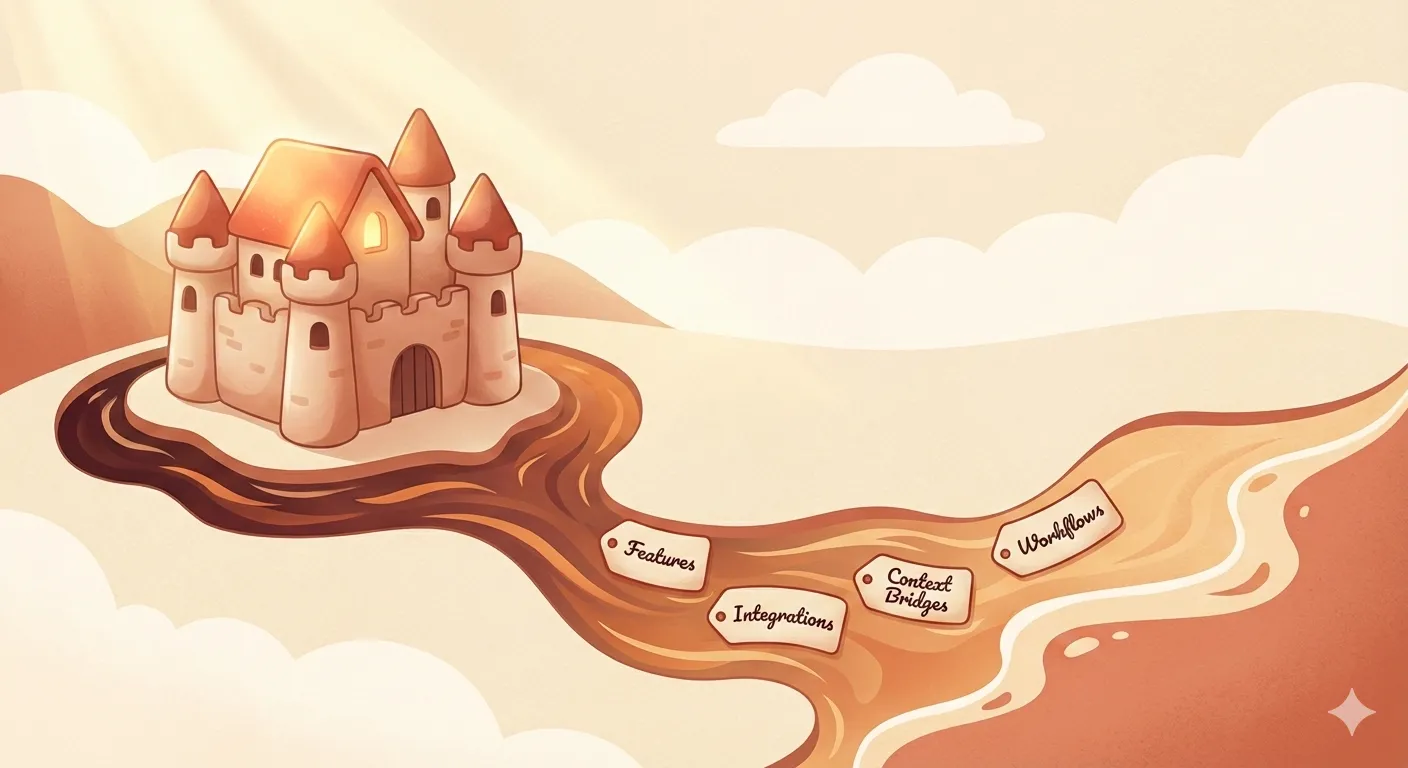
The moat I thought I was building wasn’t a moat. It was a product roadmap suggestion.
What Might Still Be Defensible
I don’t want to be nihilistic about this. Some things might still matter.
Claude’s HealthKit integration is general-purpose. A specialized running coach with periodization knowledge, injury prevention protocols, and training plan adaptation might still add value. Cowork is a horizontal tool—vertical workflows with opinionated design might maintain an edge. But I’m watching that bar rise too, and I genuinely don’t know how long those edges last.
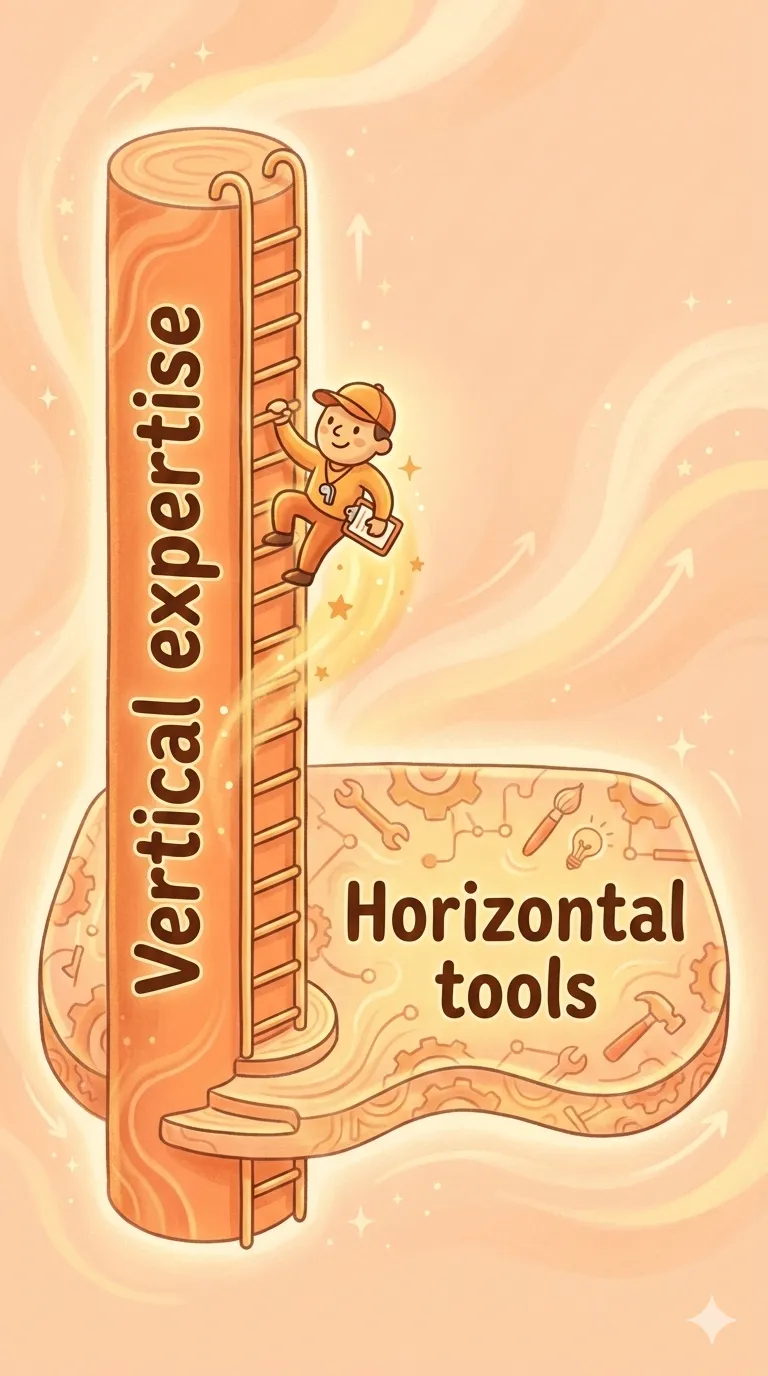
Maybe the real shift is this: if you know your competitive advantage has a half-life measured in weeks, you optimize differently. You build to learn, not to last. You extract value through speed, not through moat-building.
And maybe—just maybe—the actual moat is knowing which problem to solve next. Platforms absorb features, but they can’t absorb your ability to identify the next gap before they do. The question is whether you can stay one step ahead indefinitely.
Competing with the Context Provider
Here’s what keeps me up at night.
My thesis still holds: “context is the asset.” The value isn’t in the AI model. It’s in the accumulated context that makes AI useful for your specific situation.
But I’m now competing with whoever controls the context sources.
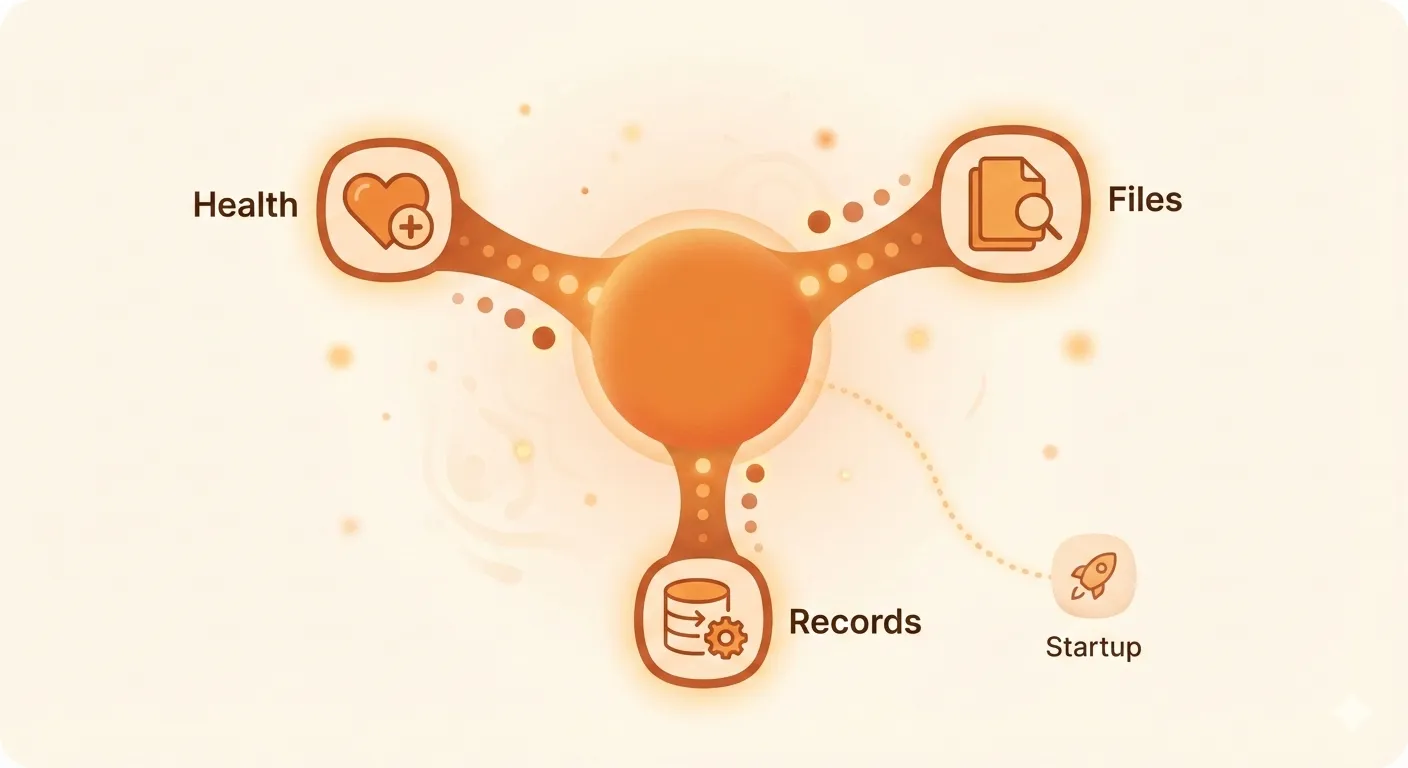
Apple Health data? Anthropic has direct access now. Local file system? Anthropic gives everyone access now. Medical records? Those are next.
What I thought startups could own, Anthropic is integrating directly. They’re not just providing the AI. They’re connecting to the data sources themselves.
Simon Willison’s take captures this well: Cowork is “a general agent that looks well positioned to bring the wildly powerful capabilities of Claude Code to a wider audience.” He predicts Gemini and OpenAI will follow suit.
This isn’t one platform absorbing features. It’s all major platforms converging on the same playbook.
What I’d Tell a PM Building in AI Today
If you’re a product manager navigating this landscape, here’s what I’ve learned.
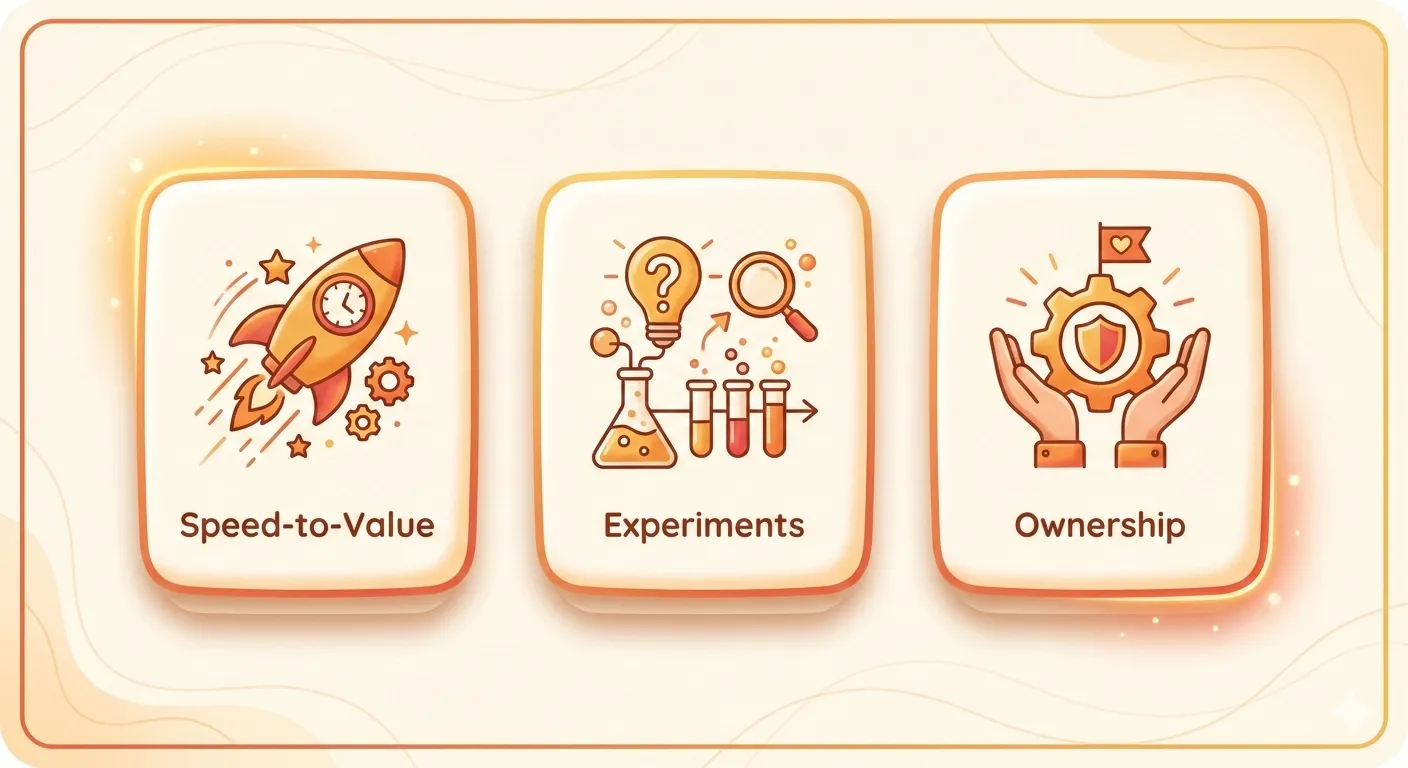
Build for speed-to-value, not moat-building. Assume anything you build can be absorbed in weeks. The question isn’t “will they copy this?” It’s “will I have extracted enough value before it happens?”
Treat features as experiments, not assets. My iOS app taught me more about context bridges and vibe-coding limits than six months of theorizing. The learning compounds even if the product doesn’t last.
Watch what you’re actually building. Are you scouting the platform’s roadmap, or building your own? Sometimes the honest answer is the former. That’s not necessarily bad. Just know it.
Own what you can. This is still worth doing. My CLAUDE.md files, my local Skills, my version-controlled workflows. Anthropic can’t absorb those. The ownership principle survives even when the product doesn’t.
Would I Still Build It?
Yes.
The iOS app took two Saturdays. I learned SwiftUI, HealthKit integration, App Store submission, and the limits of vibe-coding. I wrote about it, shared it, and got feedback. The value I extracted exceeded the investment, even knowing Anthropic would ship something similar.
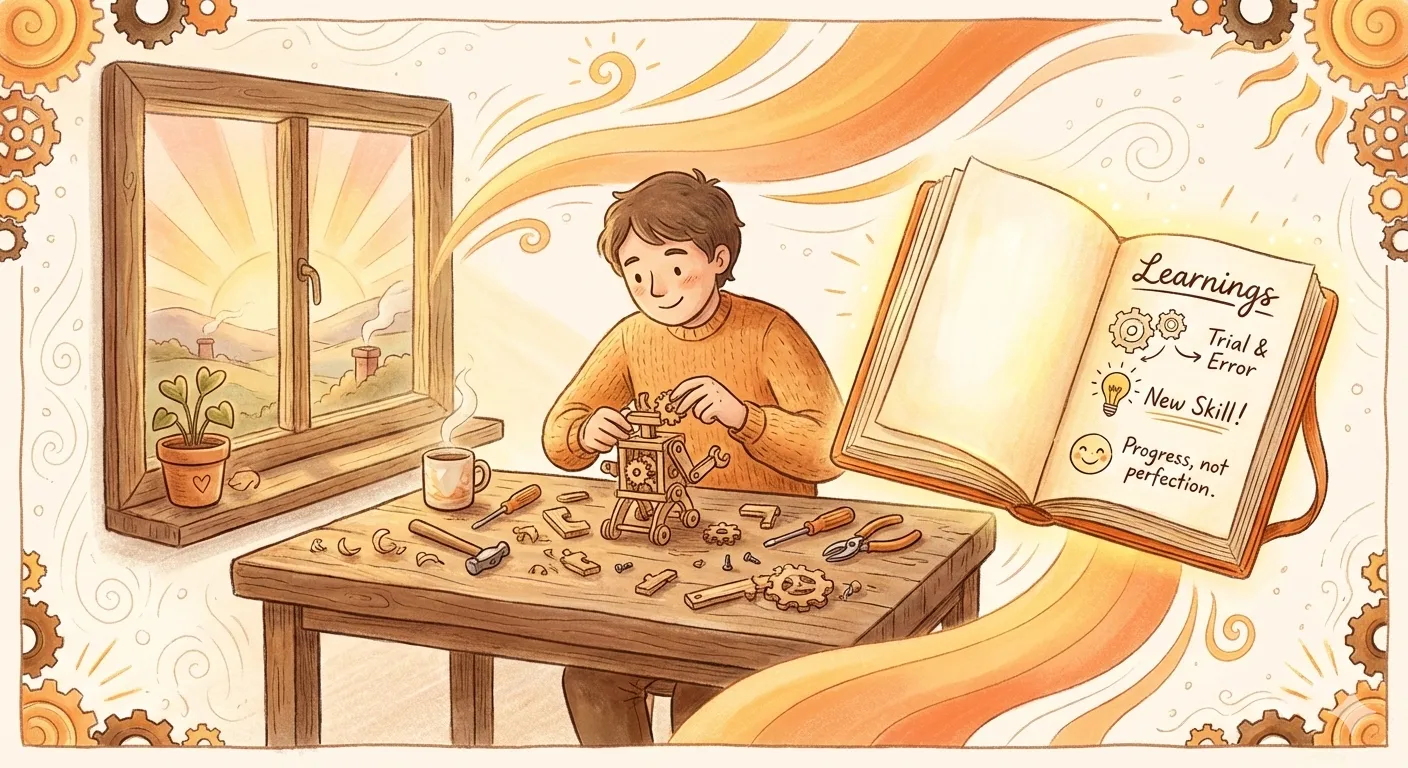
Would I still write those posts? Also yes.
Being right and being first aren’t the same thing. And being absorbed isn’t the same as being wrong.
The ideas still matter. Context bridges, context ownership, the asset layer underneath the intelligence layer. They just matter at the platform level now, not the startup level.
Sometimes you build to learn. Sometimes you write to think. And sometimes, two weeks later, you discover you were building a product roadmap for someone else.
I’m still glad I built it. I’m just more clear-eyed about what “building in AI” actually means now. The validation stings less than you’d think. The threat feels more manageable than it did last week.
Turns out, being absorbed is just another kind of feedback.
The products I built: Run Card Generator (iOS app) and run-skill (Claude Skill). Still free, still useful. Even if Anthropic ate my lunch.